Generate Social Media RSS Feeds Using RSS-Bridge

Key Notes
- RSS-Bridge enables feed creation from websites lacking syndication links.
- Improves privacy by allowing users to avoid third-party RSS services.
- Utilizes Docker for easy installation and management.
Harnessing the Power of RSS-Bridge on Ubuntu for Custom Feeds
In a world where content is ever-expanding, having control over your media consumption is paramount. RSS-Bridge serves as a crucial tool for creating feeds from sites that do not offer native syndication links, making it essential for avid RSS users. This guide details the step-by-step process for installing and deploying RSS-Bridge on an Ubuntu Linux system using Docker.
Reasons to Utilize RSS-Bridge
Step 1: Understand the Functions of RSS-Bridge
RSS-Bridge enables users to access updates from websites that may not provide conventional RSS feeds. For example, receive notifications for new YouTube videos without navigating the platform.
Pro Tip: This is especially useful for managing subscriptions to multiple content creators effortlessly.
Setting Up RSS-Bridge Dependencies
Step 2: Prepare Your Ubuntu Environment
Assumption: You should have a publicly accessible Ubuntu server and an active domain.
Begin by adding the Docker signing key:
Edit the repository file for Docker using your preferred text editor.
Add the repository line to the “docker.list” file and then update the package repositories:
Install Docker and Docker Compose along with requisite dependencies for RSS-Bridge.
Pro Tip: Always ensure your packages are kept up-to-date for better security and performance.
Fetching and Building RSS-Bridge
Step 3: Set Up RSS-Bridge Directory
Create a new folder in your home directory and navigate to it:
Use a text editor to create the “docker-compose.yml” file and enter the required configuration:
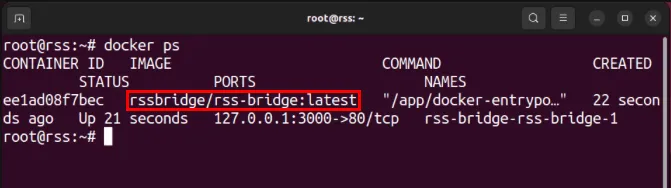
Build and run your Docker container. Verify its operation by listing active containers on your system.
Establishing an SSL Reverse Proxy with Nginx
Step 4: Configure your SSL Reverse Proxy
Now that the RSS-Bridge is functional on port 3000, configure SSL with Nginx as a reverse proxy:
You need to create an “A” DNS record pointing to your server’s IP address.
Return to your server, create an Nginx site configuration file, and paste in the code block provided:
Replace the “server_name” variable with your domain DNS record:
Save and activate the configuration by linking it to the “/etc/nginx/sites-enabled” directory and reloading Nginx.
Step 5: Secure Your Reverse Proxy with SSL
Request an SSL certificate using Certbot:
Enter “y” when prompted, confirming your agreement to receive updates from EFF.
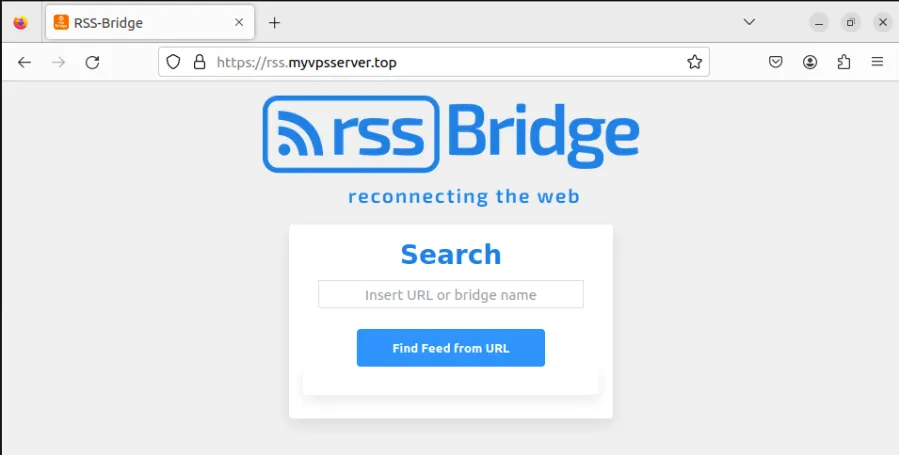
Proceed to request a new certificate for your chosen subdomain and test the proxy in your web browser to ensure it’s active.
Including Custom RSS Feed Generators
Step 6: Accessing Advanced Feed Generators
RSS-Bridge includes 16 default feed generators, but you can also access over 400 additional community-maintained ones:
To do so, first disable your Docker container.
Create a new folder, clone the RSS-Bridge repository into it, and copy the “bridges” directory to your Docker folder:
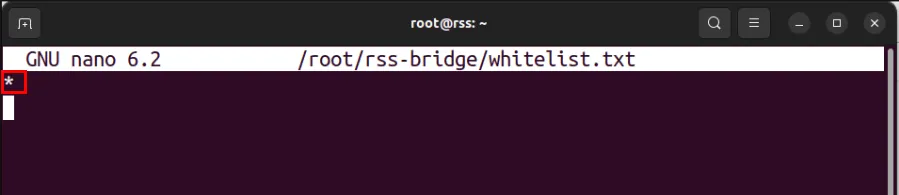
Create a “whitelist.txt” file inside your Docker container folder, and write “*” inside to enable all generators.
Step 7: Modify Whitelist for Specific Generators
To customize which feed generators are available, navigate through the directories and specify them in your whitelist file without the “.php” extension, then restart your Docker container to apply changes.
Step 8: Adding Authentication for Enhanced Security
To prevent unauthorized access, turn off your Docker container:
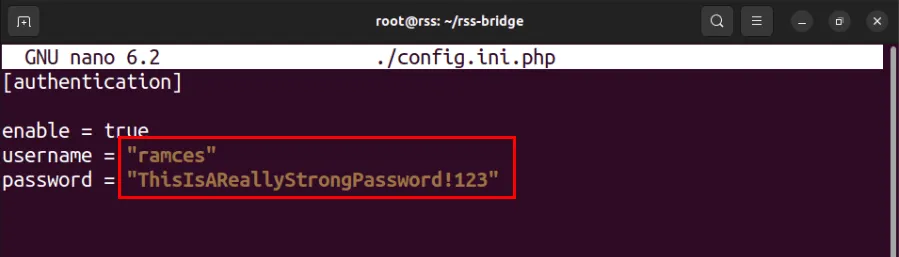
Create a “config.ini.php” file and add your desired username and password for authentication:
Save your settings and restart the Docker container.
Creating Your Initial Custom RSS Feed
Step 9: Generate Your First RSS Feed
Browse through the list of available generators for a site you’d like to create a feed for:
Interact with the generator to input your desired parameters and click on “Generate Feed”.
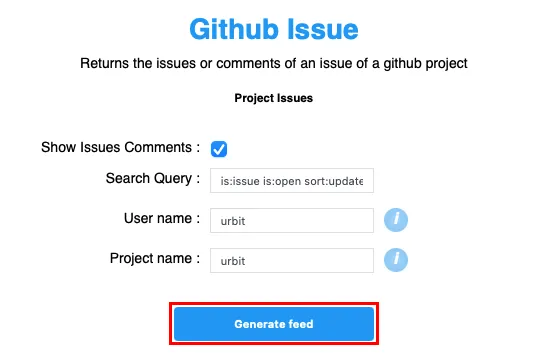
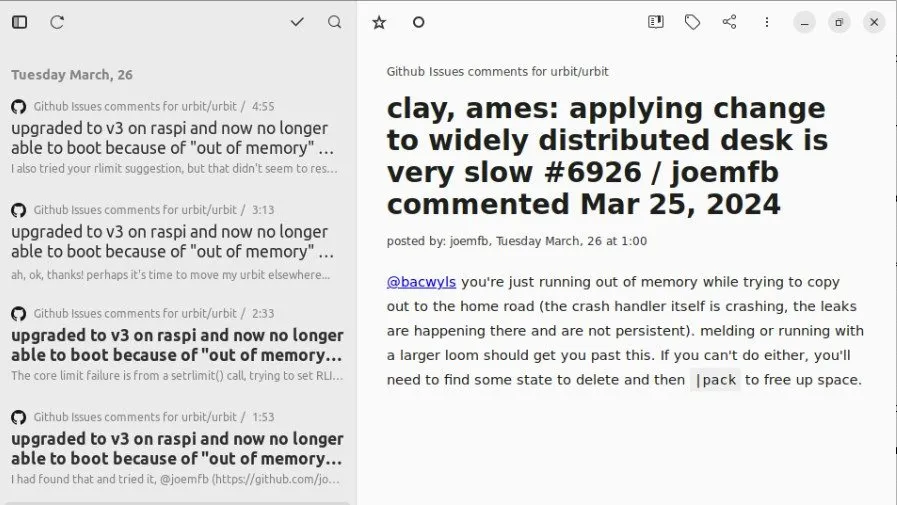
Copy the RSS feed address generated and add it to your feed reader for subscription. Test this by checking if the feed operates correctly in your specified reader.
Summary
This guide has walked you through the installation and deployment of RSS-Bridge on an Ubuntu Linux server using Docker, detailing how to set it up as a secure service with the capability to create customized RSS feeds from various web sources. By leveraging this tool, you reclaim your digital media management and enhance your online privacy.
Conclusion
The emerging necessity for control over online content has made tools like RSS-Bridge indispensable for tech-savvy users. By following this guide, you can effectively create tailored RSS feeds that suit your needs, while ensuring a secure browsing experience without relinquishing your privacy.
FAQ (Frequently Asked Questions)
Can I run RSS-Bridge without Docker?
Yes, RSS-Bridge can be installed without Docker; however, using Docker simplifies dependency management and deployment.
Is RSS-Bridge free to use?
Yes, RSS-Bridge is an open-source project, and completely free to use.